Beginner's Mind
“In the beginner’s mind, there are unlimited possibilities. In the expert’s mind, there are few.” -- Shunryu Suzuki Roshi


Sometimes things don't work out and that's okay; plus, the buzz on bees, a profile of the Smithsonian's Lonnie Bunch, and a Scandinavian Sargent gets her due.
Dear readers,
When is the last time you learned a new trick?
As I mentioned last week, I'm learning risograph printing right now and I was pretty happy about that little edition of Marseille prints I did. This week, there was a print night at the studio, and I had some pretty big ideas about making a mini-zine about books, literary culture, writers, etc. The hitch: on community print night, creators are allowed to print on 10 pieces of primo European paper. So I thought, fine, I'll just do a test edition using this one page format called a magic zine, which entails folding one 8.5 x 11 sheet of paper into 8-page publication. I took some things I've written in this humble newsletter, edited them down a bit, then grabbed some visuals and designed the whole thing.
In theory, this would have been pretty cool. In practice, everything was wayyyy too small to see when it came off the printer. Like, smaller than the "read the smallest line you can see" in an eye exam small. I tried and tried and tried to fix it, and my kiddo even stepped in to help with a very tired air of "Oh my GODDDD, old people and technology." The owner stepped in to assist, and her cohorts did too. This went on for a good, long while. In the end, I – well, we – couldn't quite get it to where I envisioned it, so I printed this photo I took of a mural in Notting Hill instead.
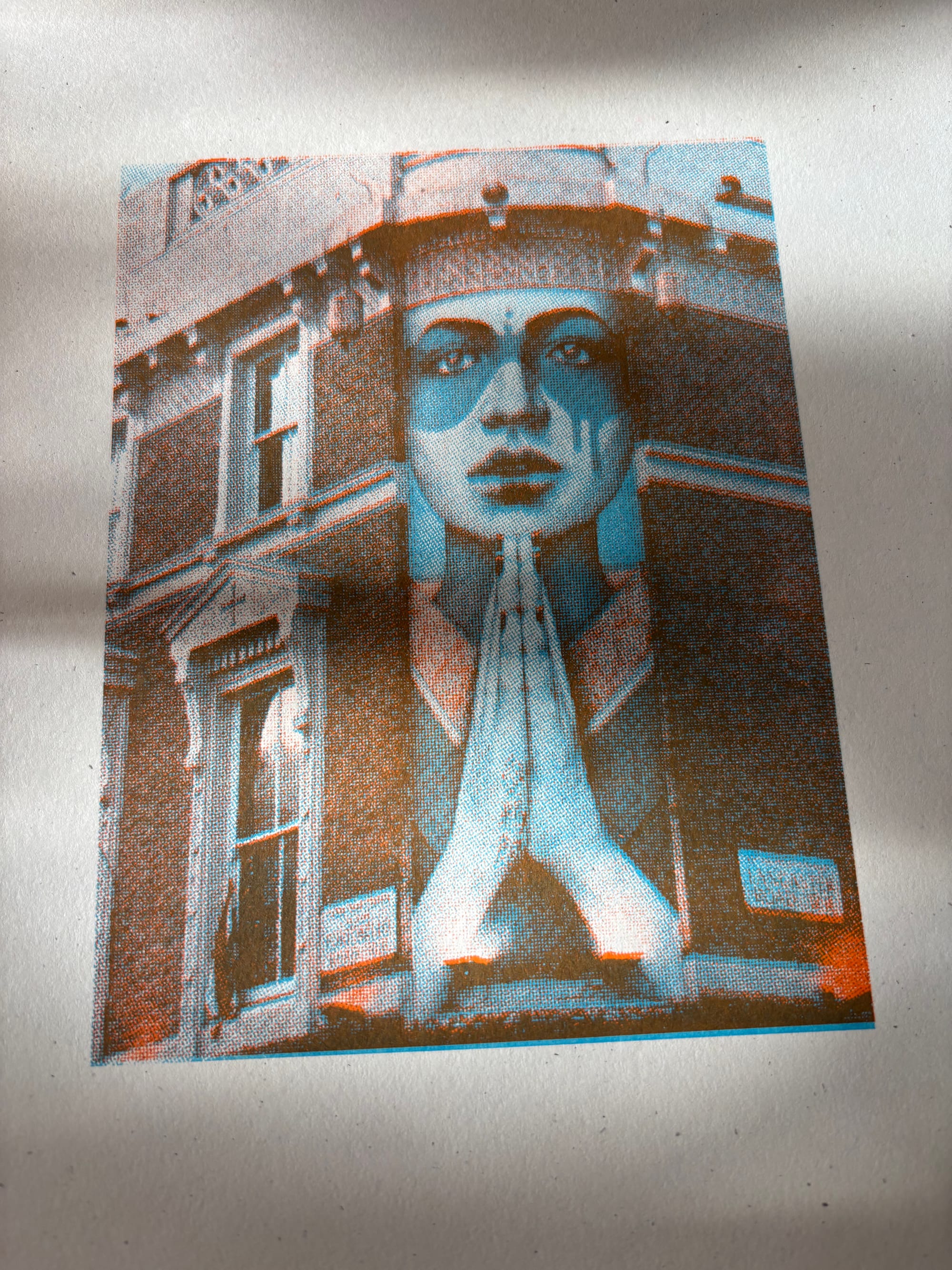
So it's back to the drawing board with this mythical zine, and it's pretty safe to say I'm going to need more pages and more space for that if I do it with the content in its current state. Or, I'll have to shift gears and try something else entirely. That's life. Who knows where it will lead? Wherever it is, I'm excited to find out.
At any rate, a big thank you to those of you who answered last week's call for things you'd like to see here. I appreciate you and will get to work on your suggestions. If anyone else has any thoughts on stories, or themes, or other things you'd like me to tackle here, please hit reply and let me know what's on your mind. Or, just let me know what's on your mind anyway. I love hearing from you.
As always, thank you for being here.
Fondly,
Paige
P.S. Next week, to celebrate (I guess) our nation's 250th, I'm going to tell you a story about a very special title that was bestowed upon me.
Writing prompt: Think about the last time you learned something new. Write about the good, bad, and ugly of that process. What did it teach you about yourself?
The great majority of people are calm, resourceful, altruistic, or even beyond altruistic, as they risk themselves for others. We improvise the conditions of survival beautifully.
-- Rebecca Solnit
Endnotes
Ancient Writers Buzz About Bees
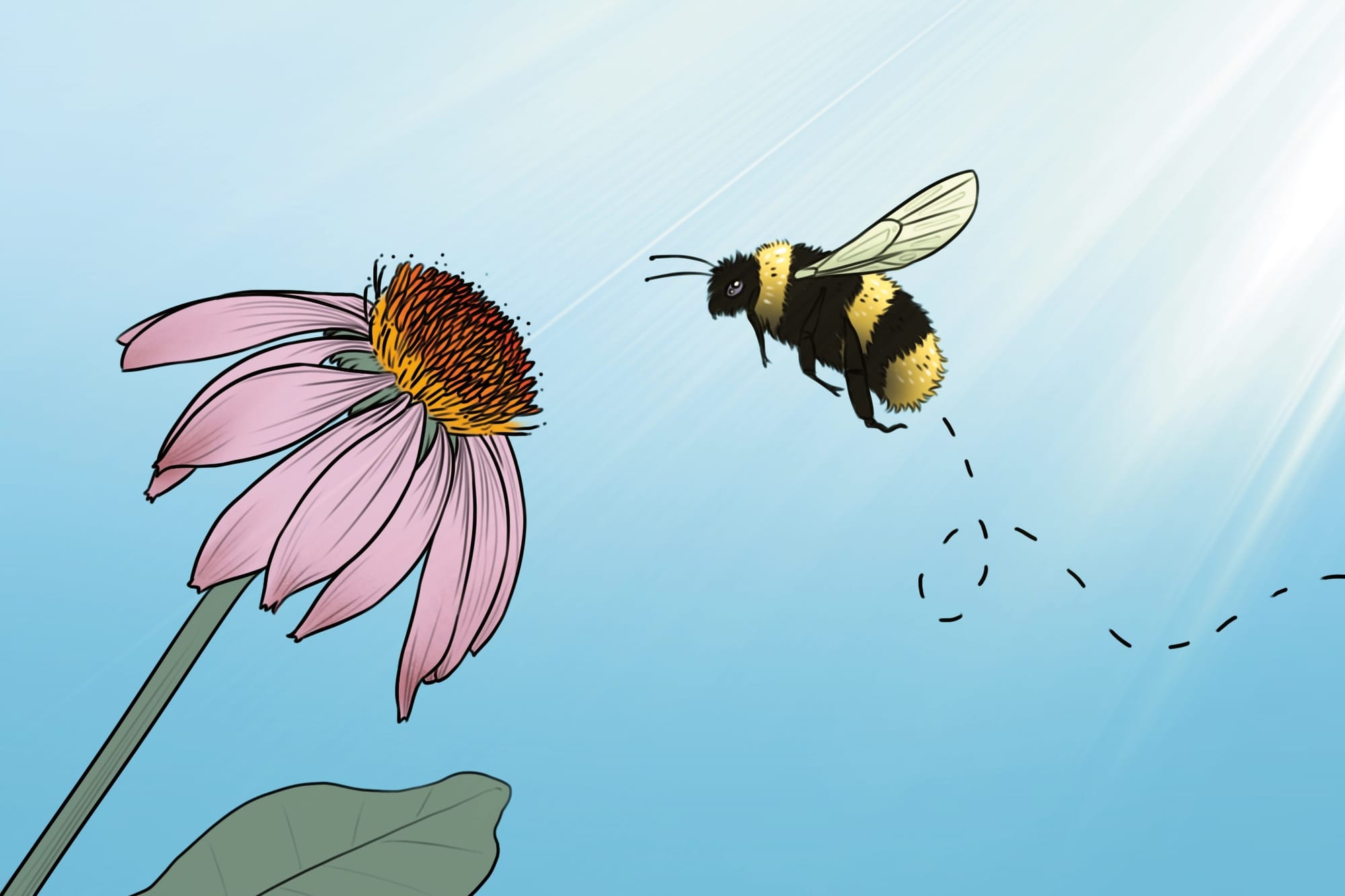
We often think of bees as buzzy, busy little creatures that flit from flower to flower collecting pollen so they can feed their young and propagate other plants. Though diminutive in size, their impact on is huge: one-third of the world's food production depends on them, so they're important to protect and celebrate. As a matter of fact, ancient writers were huge fans of the workhorse insect. The poet Virgil believed bees had all the virtues of a Roman citizen because they were hardworking, loyal, and willing to die to protect the colony. The philosopher Seneca likened a bee's flower-to-flower frolics to the gathering and synthesis of knowledge. "Empiricists, in the manner of ants, use only what they pile up," Francis Bacon wrote. "Others like spiders, spin webs of their own making. The bee is the true mean: it draws material from flowers in the garden and the field, but digests and changes it through its own unique skill." For more on how writers of yore have been influenced by bees, click here for a recent LitHub story, written by a person whose last name is Pollen, believe it or not.
Meanwhile, A Busy and Embattled Bee
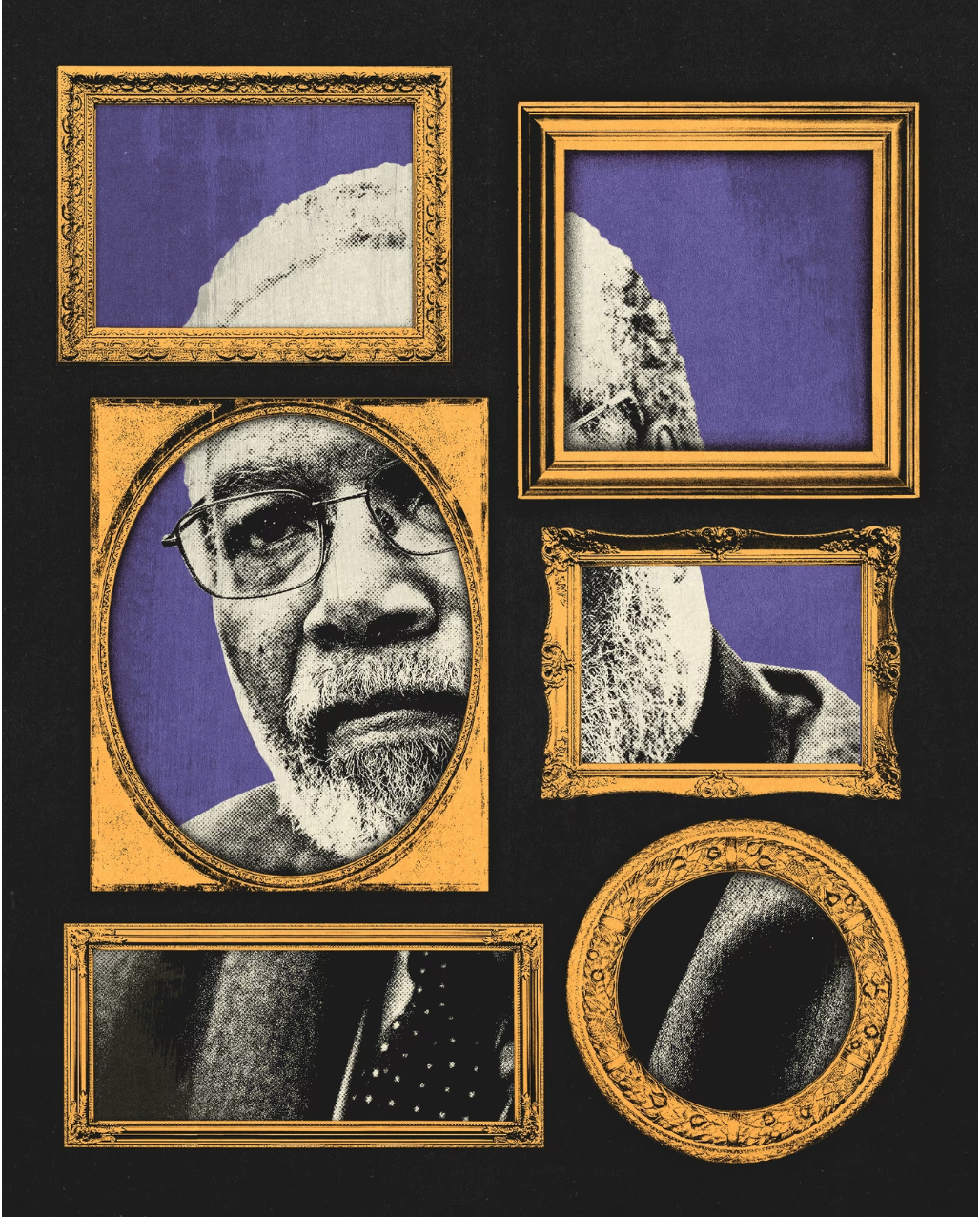
If, like Francis Bacon, we believe that bees draw material/knowledge from their environs that they digest and change through their own unique skill, then perhaps the Smithsonian's Lonnie Bunch is that ultimate bee who has drawn from the complete sweep of U.S. history to present a more nuanced, and correct version of our national story. Having said that, the Trump administration has had Bunch and the Smithsonian in its crosshairs in part because of the way they have elevated and celebrated Black history and culture. It should not be incendiary to say "slavery was bad and wrong" in a museum, especially because it was bad and wrong and we mustn't forget that. As Clint Smith writes in his excellent profile of Bunch for The Atlantic:
Like many historians, [Bunch] argues that learning about negative aspects of American history does not undermine people’s ability to understand the good the country has done. “Every day, I have somebody talk to me about how important it is to have complexity and nuance,” he said at a meeting of the Organization of American Historians in April. “How they really understood something after they’ve gone through a Smithsonian exhibition that they had no idea of.” Bringing that complexity to life, he believes, is the mission of the institution...
But given the moment, that mission is complicated by the guy sitting in the White House. If you get a moment, please set aside some time to read Smith's story and then maybe reflect on a time when the Smithsonian helped you see history in a new way, or learn something new. Then, if you're so moved, contact your lawmakers and the Smithsonian's board of regents about maintaining this institution's independence from political interference. Lonnie Bunch is an absolute rock star and a hero, and Smith's story not only underscores that, but shows readers just how vital his work has been.
What I'm Enjoying
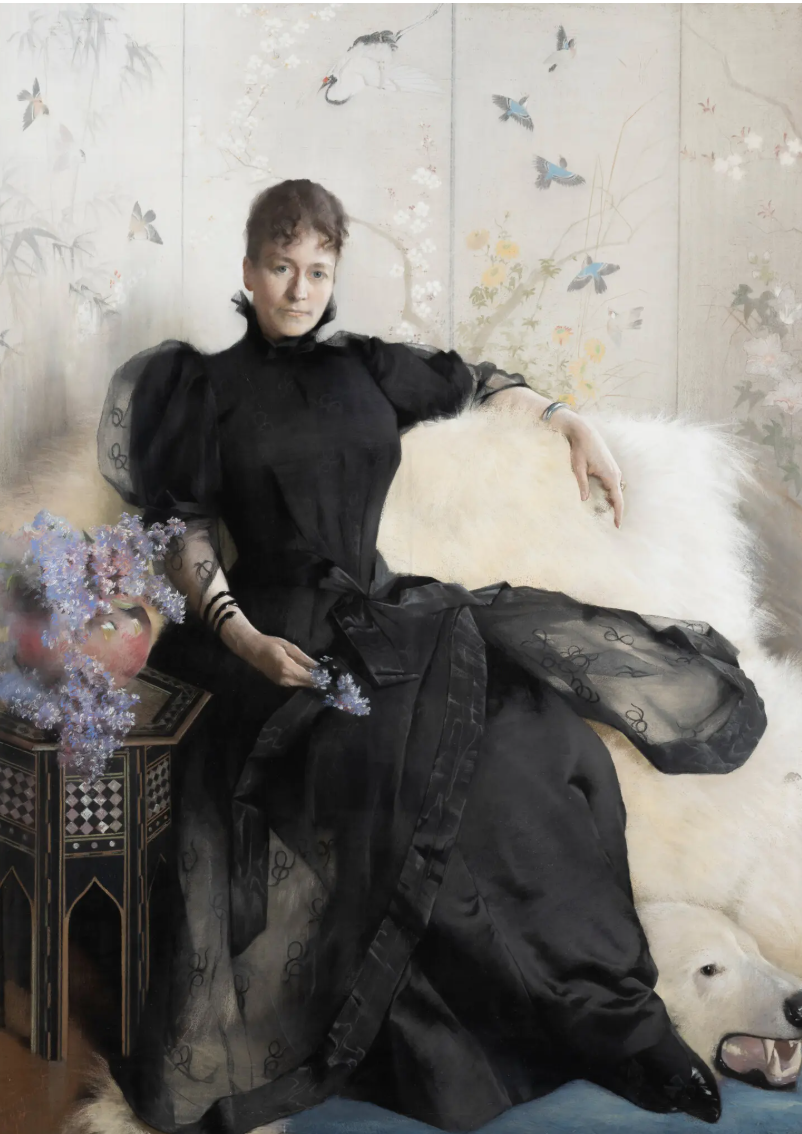
This story about Asta Norregaard, the Scandinavian answer to the painter John Singer Sargent. Once written off as a "fashion portraitist," she is finally getting her due with a major exhibit of her work in Norway. Wenche Volle, the curator of that show, said: "When I see her paintings, I think she can challenge [Sargent], and she can stand up against all the best painters of that time.” Here's to that! Also: This week's custom bee illustration. Sanders Small Batch Wonders' Dark Chocolate Sea Salt Caramels. Long midweek lunches. Learning from mistakes.
Paige Bowers Newsletter
Join the newsletter to receive the latest updates in your inbox.