Skip to content

Magnifica Humanitas

Paige Bowers
Paige Bowers
5 min read
Magnifica Humanitas
Photo: Elisabetta Trevisan/Getty Images

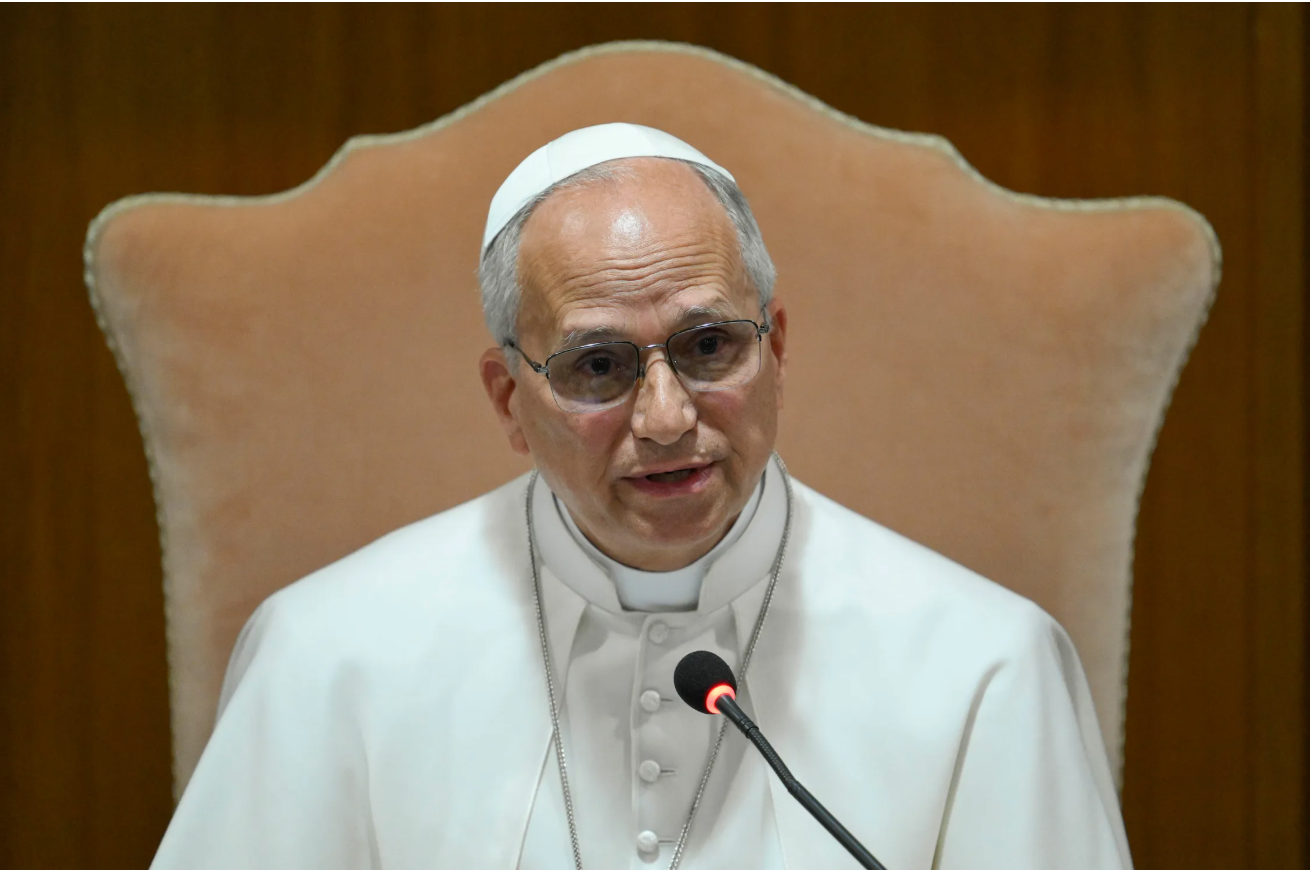
Pope Leo XIV's first encyclical tackles AI; plus, Marilyn Monroe was a total bookworm, I'm jealous of Leila Slimani's writing residency, and some kids spell really fast.

Hello readers,

Peace be with you.

Earlier this week, I was on the phone with Beloved Mentor Pal (BMP), who hasn't made an appearance here in some time. My reason for giving him a breather is because he gets kind of bashful when I write about how brilliant and funny he is, or how he wants me to stop talking about taxidermy in public, and so on. And I haven't wanted him to feel uncomfortable, so I've forced myself to be very disciplined and not say a word about him so he can be retired in peace.

However...

As we were wrapping up our latest call, I mentioned that I needed to go see what Pope Leo XIV said about artificial intelligence (AI) in his encyclical, Magnifica Humanitas, or Magnificent Humanity. BMP said something about how Leo really knocked it out of the park (as popes are wont to do), and I thought oh good because this whole AI thing is really, really troubling to me. When folks bring up the good it could possibly do, I say, well hey, pal, I'm a writer (and a pretty big Luddite), and my two books were used by a certain AI company to train its AI model.* So like, what if AI maybe puts scribes like me out of business someday? What if that happens? Is that a good thing?

On Monday, Pope Leo warned about AI's growing power and called for stronger oversight of the technology. At the heart of it was his desire to preserve human dignity in the face of innovation, something his namesake predecessor called for during the Industrial Revolution.

Religion News wrote:

AI-powered robots are being marketed as tireless workers. AI companions are becoming a booming industry. AI is also increasingly being used as a tool for surveillance and warfare. The papal document seeks to recenter this technology around serving people – and not the other way around.

What was interesting to me: Leo had Christopher Olah, the billionaire co-founder of Anthropic there to talk about how tech leaders need to be in conversation about this with people who aren't motivated by the huge amounts of money these companies are raking in. That sounds good, but the cynic in me doesn't believe that this really rich guy and others like him want the pope's moral and ethical advice about what they're doing.

A super-secret Vatican source told The National Catholic Reporter:

"We haven't usually invited someone from the outside. The gesture is in fact an expression of the great willingness and desire for us to enter into or to participate more fully in the dialogues that are going on." 

We'll see where this goes. But I'm all for anything that re-centers humans and restores humanity these days. What about you?

Until next week mes amis,

Paige

*Here's a little bit on the class action lawsuit that resulted from this.


Writing prompt: What is your opinion of artificial intelligence? Is it good for society? Bad? Are you unsure? Get those thoughts down on the page, whatever they may be.


Photo: montypython.fandom.wiki
The greatest killer of creativity is interruption.
-- John Cleese

Endnotes

Marilyn Monroe the Bookworm

Photo: via LitHub.com

June 1 is the centennial of Marilyn Monroe's birth, which is reason enough to re-evaluate the way she has been portrayed in the media. Earlier this year, novelist Lynn Cullen published When We Were Brilliant, a poignant exploration of the real-life friendship Monroe had with photographer Eve Arnold. In it, you meet a scrappy, early-career Monroe who knew what she wanted and how to get it. This week, writer Gail Crowther shows us another side of Marilyn: the literary one. In Crowther's Marilyn and Her Books: The Literary Life of Marilyn Monroe we meet a Marilyn who, despite not finishing high school, was incredibly well-read and deep. According to an excerpt on LitHub this week, Marilyn not only owned books by D.H. Lawrence, but a book about how to read him. She was also a big fan of James Joyce's Ulysses, which is way more than I can say for myself. For her, books helped her overcome the terror of not being enough. "I have yet to see anything in Marilyn that isn’t genuine," an admiring Saul Bellow wrote. "Surrounded by thousands she conducts herself like a philosopher." Oh to know more about the tomes that guided her through her much-too-brief life...

Artful Prose

Photo: Pablo Garcia/The Guardian

After reading this profile about French-Moroccan writer Leila Slimani, I have a new life goal: get a writing residency at an art museum. Slimani is currently in Madrid with her family for Writing the Prado, where authors are invited to produce a work that's inspired by something in the museum. Currently, she is surrounding herself with Francisco Goya's late-career Black Paintings, which, as the name suggests, portray a pretty bleak view of humanity. In theory, I love the idea of doing something like this, but think I would have to pick more hopeful or meditative works, or something that shows a light at the end of the tunnel. If you could do something like this, where would you go and what paintings or artifacts would you surround yourself with for inspiration? Hit reply and let me know.

Things I've Been Enjoying

Photo: Simon & Schuster

Arundhati Roy's beautifully written and incredibly moving memoir Mother Mary Comes to Me. The Atlantic's weirdly fascinating feature about the late Karl Lagerfeld and his beloved cat Choupette. A film scene where an actress friend of mine slides into a church pew and starts up with that gossip she just heard. Cinema gold! What a superstar! Sonny Rollins' Saxophone Colossus, which was apparently selling like hotcakes at my local record store this week after the jazz great's death at age 95. Fourteen-year-old Shrey Parikh's masterful victory in the annual Scripps National Spelling Bee. My man spelled 32 words correctly in the 90-second spell-off, which is absolutely crazy to me, but good for him!

If you get a minute...

...please consider making a donation of any amount to Reading is Fundamental, which helps provide children with access to books so they can develop a lifelong love of reading. Thank you.

Paige Bowers

Paige Bowers is a journalist and the author of two biographies about bold, barrier-breaking women in history.

Comments